
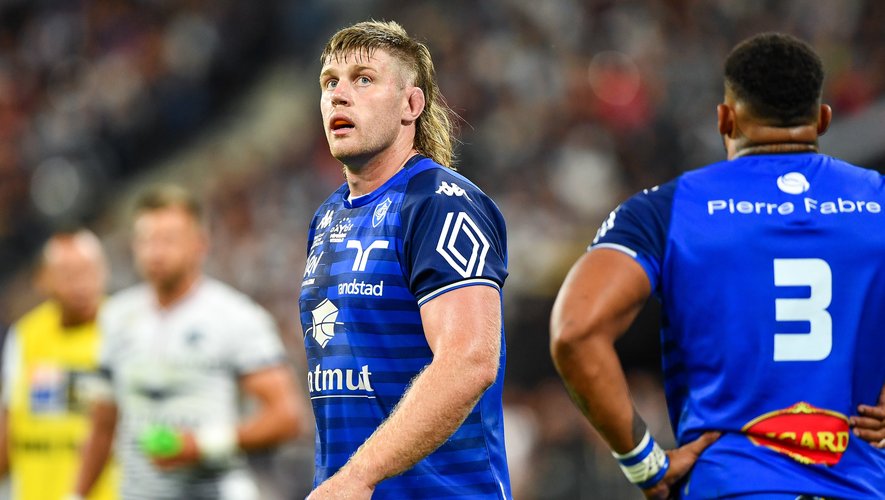

When Thomas “Tom” Staniforth left Australia to join Castres Olympique in 2020, few could have predicted the trajectory his career would take. Born in Canberra on August 13, 1994, Staniforth built his early rugby career with the Brumbies and Waratahs in Super Rugby, but it was in France — far from home — that the 1.98 m tall, 124 kg lock truly blossomed.
A Consummate Performer in the Top 14
A look at Staniforth’s club statistics reveals a player of remarkable consistency and endurance. Since joining Castres, he has been a fixture in the second row, amassing over 80 Top 14 appearances, overwhelmingly as a starter (98% of matches) and averaging 71 minutes per outing — a testament to his physical resilience and importance to the team’s structure.
Across his Top 14 career to date:
- 82 matches, with 47 wins — a strong contribution to Castres’ competitiveness.
- Zero tries, but consistently high involvement — in the lock position, influence is less about scoring and more about physical presence, ruck work, and set pieces. The work horses who may not get the glory, but nothing would work without them.
Beyond the raw caps, the rugby analytics paint Staniforth as one of the most industrious forwards in elite rugby. Community analysis suggests that during the 2023/24 season he was among the leaders in carries into contact and was one of the top tacklers in the competition, frequently making defensive contributions every few minutes of play.
Comeback Story: From Injury to Leadership
Staniforth’s career has not been without adversity. After a serious ankle injury in 2024, he was sidelined for over a year, a setback that might have derailed many professional athletes. Yet he returned to full action in September 2025 and immediately regained form, starting matches in both Top 14 and European competition for Castres.
This resilience reflects not only physical durability but mental strength — qualities that endear him to teammates and fans alike.
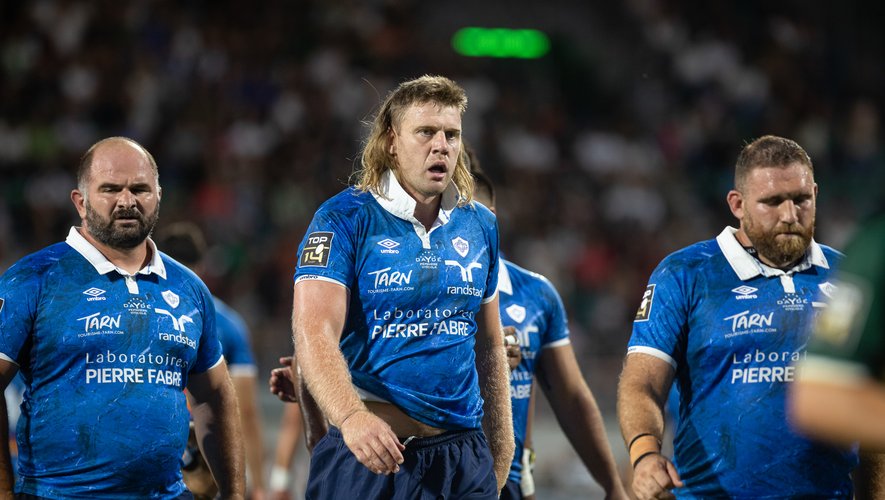
Castres Olympique: The Club Behind the Player
Castres Olympique is a respected mainstay of French rugby, competing in the Top 14, one of the most demanding domestic leagues in the world. In the 2025/26 season, Castres sits solidly mid‑table with 33 points from 14 matches (7 wins, 7 losses), showcasing an ability to challenge stronger opponents and grind out gritty performances.
Although not title favorites, Castres have a proud tradition of punching above their weight, including a Top 14 final appearance in 2022, with Staniforth as part of the pack driving that success.
The team’s performance statistics reveal a blend of robust forward play and competitive set‑pieces — areas where a lock like Staniforth thrives. In such an environment, his skills have been shaped by a culture that prizes physicality, discipline, and tactical nous. The exposure to high‑pressure matches against the likes of Toulouse, Racing 92, and Clermont undoubtedly sharpened his technical game and rugby IQ.
National Recognition & Eligibility Milestone
Staniforth’s steady progression didn’t go unnoticed. In January 2026, he was called into the extended squad of the French national team (XV de France) for the forthcoming Six Nations tournament — an extraordinary development for an Australian‑born player. His eligibility comes from World Rugby’s 60‑month residency rule after living continuously in France since 2020, combined with never having been capped by Australia’s senior side.
This selection — and the possibility of wearing the French jersey — affirms that Staniforth’s performances resonate at international level, a remarkable achievement for a player who once faced doubts about his future following injury.
Castres’ Influence on His Growth
Castres’ coaching structure and competitive schedule have been vital in sharpening Staniforth’s strengths:
- A heavy schedule in both Top 14 and European competition demands consistency and endurance.
- Playing in one of the world’s toughest leagues hones skills around ruck domination, aerial work in lineouts, and defensive organization.
- Regular high‑stakes fixtures forge leadership and decision‑making under intensity.
All these elements have collectively transformed Staniforth from a motivated Super Rugby player into a lock worthy of recognition on Europe’s biggest stages.
What Australia Lost — France has Gained
Australia’s rugby landscape has long been rich in flair but less consistent in retaining seasoned forwards — particularly those who mature later in their careers. In Staniforth’s case, Rugby Australia missed the chance to develop and cap a player with elite work rate, physical resilience, and positional intelligence.
His journey illustrates how global rugby pathways can shift talent away from traditional heartlands, and how players can find a second home — both personally and professionally — elsewhere.
 English
  Français
  Español
  Euskara